

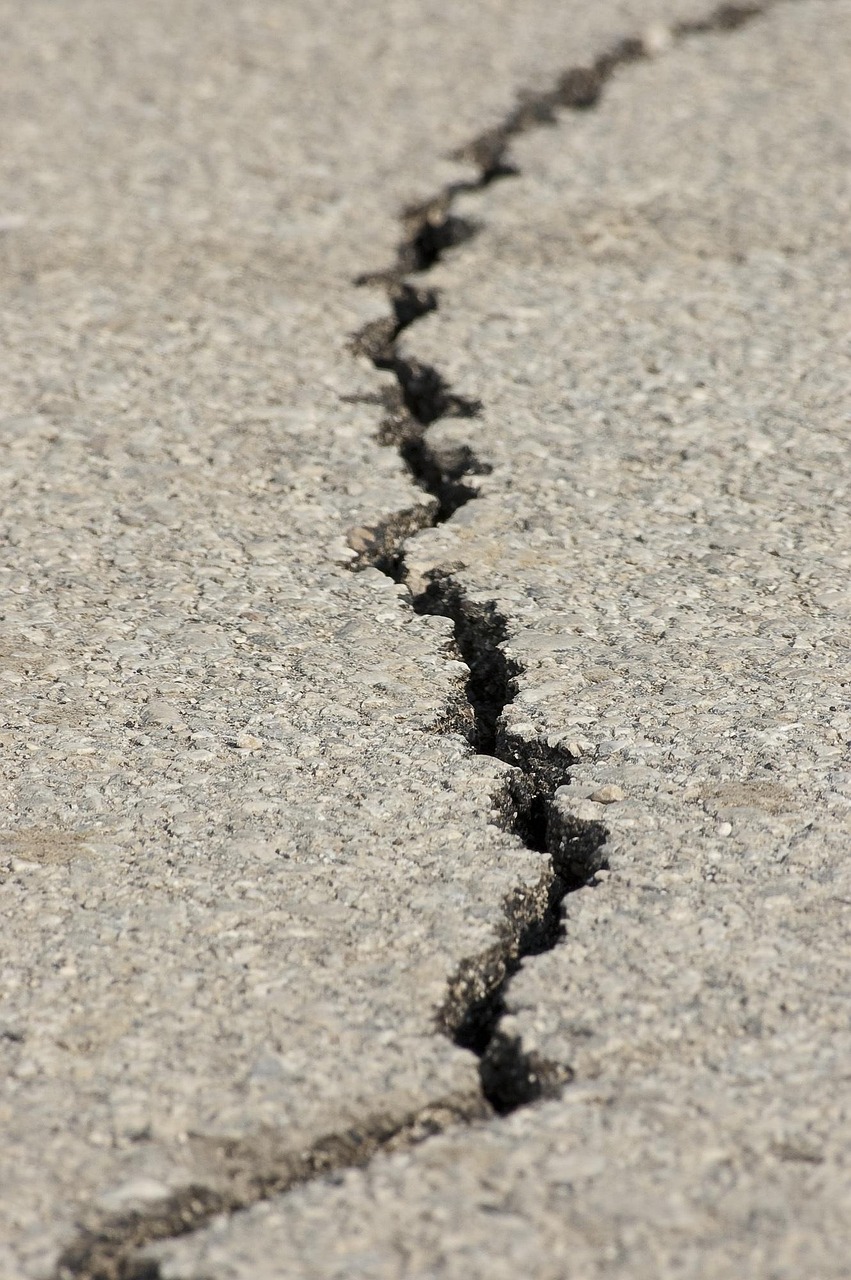
Courtesy:angelo_giordano from pixabay
Courtesy:angelo_giordano from pixabay
A moderate earthquake struck near Banning, California, on Tuesday morning, rattling residents in the surrounding area. The U.S. Geological Survey reported a preliminary magnitude of 3.6, centered roughly 2.5 miles south of the city. The quake occurred shortly before 11 a.m. local time, and there have been no immediate reports of damage or injuries.
This event adds to a series of tremors that have affected the Indio Hills and nearby communities earlier this year. While residents may feel uneasy after multiple quakes, experts emphasize that such activity is normal for California’s seismically active regions.
Understanding the magnitude and impact
Although a 3.6 magnitude earthquake is considered minor to moderate, it can still be felt indoors and outdoors. Shaking may cause small items to shift or fall, but structural damage is unlikely. For context, the region recently experienced a magnitude 4.9 quake in Indio, followed by smaller aftershocks. Such sequences are typical and do not automatically signal a larger earthquake.
Seismologists note that moderate earthquakes often occur in clusters. Following a significant tremor, multiple smaller quakes are expected as the earth’s crust adjusts along fault lines. Residents of Banning and surrounding cities are encouraged to stay alert but not alarmed.
What to do during an earthquake
Experts advise residents to follow standard safety procedures during tremors. The “drop, cover, and hold on” method remains the most effective way to minimize injury. Dropping to the ground prevents falls, covering the head and neck protects vital areas, and holding onto a sturdy table or desk provides extra security.
In locations without furniture, individuals are advised to crouch against an interior wall and shield their head. It’s important to remain indoors until the shaking stops, then cautiously move outside if necessary, avoiding power lines, windows, and unstable structures.
How common are aftershocks
After a moderate or large earthquake, aftershocks are expected as the earth settles. For instance, following the 4.9 magnitude quake in Indio, roughly ten smaller tremors of magnitude three or above occurred within a week. Such activity is normal and does not necessarily indicate a “foreshock” of a larger event.
Historical patterns show that even noticeable tremors rarely lead to massive earthquakes. The 1992 magnitude 7.3 Landers earthquake was preceded by a 6.1 quake in Joshua Tree more than a month prior, but such sequences are the exception rather than the rule.
Assessing the risk of a major earthquake
Despite public concern about the so-called “Big One” on California’s West Coast, the likelihood of a significant quake immediately following moderate events remains low. The U.S. Geological Survey estimates that any given moderate earthquake has only a small chance of being followed by one of equal or greater intensity within a week. Residents should remain prepared by reviewing emergency plans, securing heavy objects, and keeping an earthquake safety kit accessible. Awareness, rather than panic, is the most effective response during periods of heightened seismic activity.
Ongoing monitoring and updates
Seismologists continue to track tremors in California and across the Pacific Rim, providing real-time data to local authorities and residents. Websites such as the USGS earthquake map and regional seismic centers offer updated information on new tremors, allowing communities to stay informed and take action when necessary.
As this is a developing story, additional information about aftershocks or any impacts to the Banning area may be released as the U.S. Geological Survey evaluates the region.
Source: City News Service, USGS, The Desert Sun
About the Author







1 thought on “Moderate earthquake shakes Banning California leaving residents on alert”