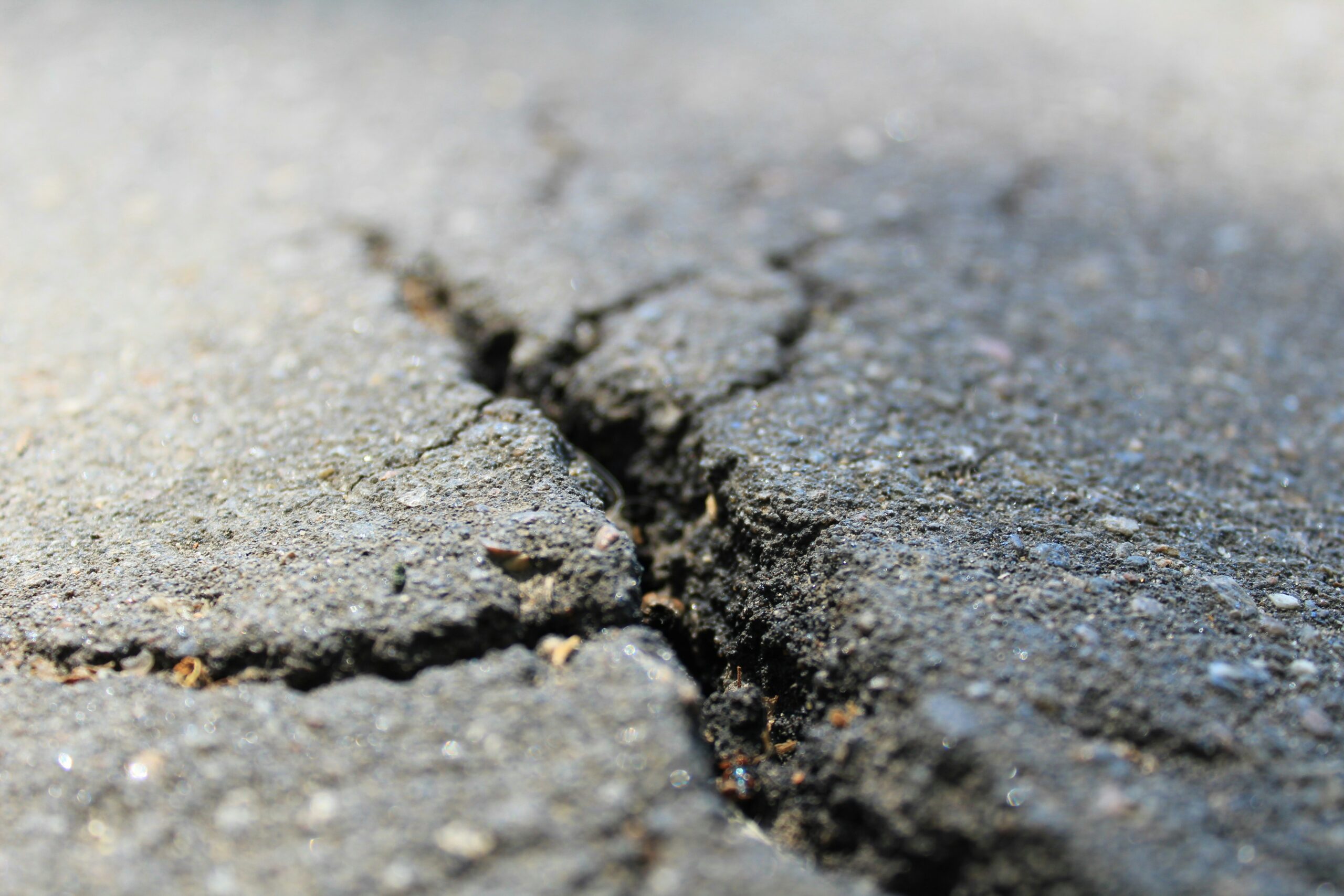
Courtesy:anastasia from unsplash
Courtesy:anastasia from unsplash
Residents of the East Bay woke to an unusual series of earthquakes Monday morning centered near San Ramon. The first tremor, a magnitude 3.9, struck just before 6:30 a.m., according to the U.S. Geological Survey. Over the following 30 minutes, at least six more quakes were recorded in the same area, ranging in magnitude from 2.5 to 4.3.
The repeated shaking drew attention across Contra Costa County and surrounding regions, as seismic activity extended into the wider Bay Area and reached as far as the Central Valley. Local officials emphasized that the swarms were being closely monitored, with seismic experts analyzing patterns to determine whether the quakes represented a temporary cluster or a possible precursor to larger events.
Impact on transportation and safety measures
While no injuries or structural damage have been reported, public transit agencies responded quickly. BART trains in the affected area have been operating at reduced speeds while crews complete track inspections to ensure passenger safety. Officials stressed that these measures were precautionary, reflecting the importance of thorough checks after multiple tremors in a short span.
What scientists know about earthquake swarms
Earthquake swarms are sequences of seismic events occurring in a localized area without a single large quake triggering them. Unlike a mainshock-aftershock pattern, swarms can consist of several moderate tremors clustered over hours or days. The San Ramon activity is being monitored by the USGS, which issued a preliminary report confirming the early morning 3.9-magnitude quake four kilometers southeast of the city.
Such swarms often occur in regions of known fault lines, and while many are not precursors to major earthquakes, they provide important data for scientists studying stress patterns and seismic hazards in California. Residents in the Bay Area, which sits atop a complex network of fault systems including the Hayward and Calaveras faults, are accustomed to periodic seismic activity and advised to follow preparedness protocols.
Community response and precautionary steps
Local communities responded with vigilance. Residents reported feeling shaking inside homes and noted minor rattling of objects. Emergency preparedness officials encouraged people to remain calm, secure heavy items, and be ready to evacuate if necessary. Schools, businesses, and public spaces in the region have procedures in place for earthquake safety, including drop-cover-hold drills and immediate hazard assessment after tremors.
Authorities also recommended checking utility lines for leaks or damage following any noticeable shaking, a standard safety step in areas prone to seismic activity. Public information channels, including local media and city alert systems, are being used to keep residents informed about aftershocks and safety updates.
Monitoring continues as aftershocks possible
Seismologists warn that additional tremors may follow the initial swarm, a common feature of earthquake sequences. Continuous monitoring by the USGS and local agencies ensures that residents and public services receive timely alerts. Although the swarm has caused concern, early reports indicate minimal immediate danger.
This event underscores the importance of earthquake preparedness in the Bay Area, a region historically subject to moderate and significant quakes. While the San Ramon swarm did not produce major damage, it serves as a reminder of California’s seismic activity and the need for continued awareness and readiness.
Source: CBS San Francisco, USGS
About the Author