Millions flood streets as ‘No Kings’ protests erupt over Trump and Iran War
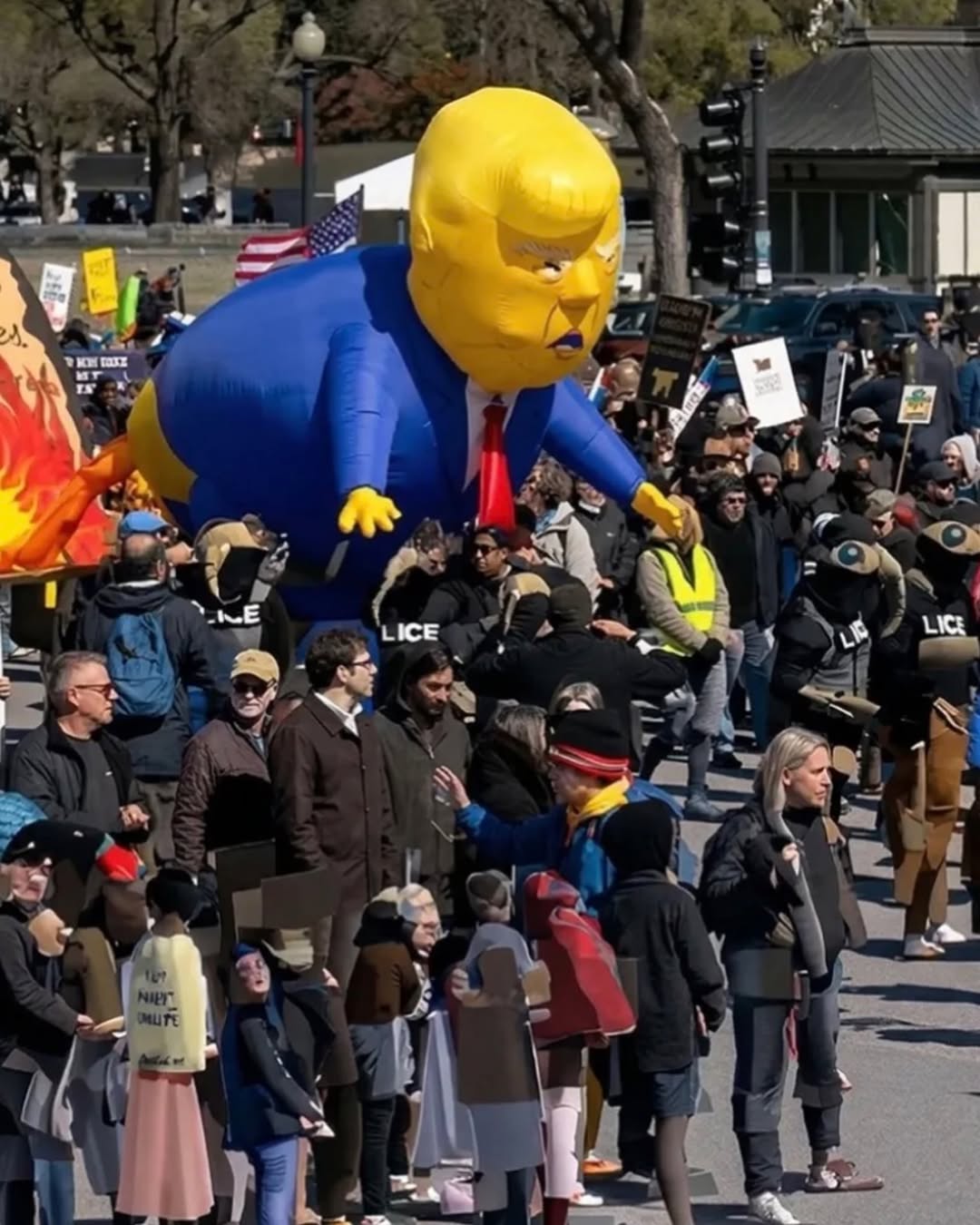

Large crowds filled streets across the United States and parts of Europe on Saturday as demonstrators took part in the latest wave of “No Kings” rallies. The coordinated protests centered on opposition to the ongoing conflict involving Iran and criticism of policies tied to President Donald Trump.
Organizers had anticipated a massive turnout, estimating that millions would participate across multiple cities and regions. While final numbers were not immediately confirmed, early scenes from major gathering points suggested that turnout rivaled or exceeded previous demonstrations held earlier in the year.
In many locations, participants carried symbolic items, including American flags displayed upside down, a signal historically associated with national distress. The visual became a defining image of the protests as crowds called attention to what they view as a pivotal moment in the country’s political climate.
Minnesota becomes the focal point of the movement

The state of Minnesota emerged as a central hub for the day’s demonstrations, drawing thousands to the Capitol grounds in St. Paul. Streets surrounding the Capitol quickly filled as attendees stood shoulder-to-shoulder, creating one of the largest gatherings of the day.
The event in Minnesota carried added emotional weight due to recent incidents that have fueled activism in the region. Demonstrators reflected on ongoing concerns tied to federal enforcement actions and broader national debates over immigration and public safety.
Crowds remained engaged throughout the day, with speakers and performers helping maintain energy while reinforcing the movement’s central message. The scale and intensity of participation positioned Minnesota as a symbolic anchor for the nationwide demonstrations.
Bruce Springsteen headlines with a tribute performance
Music played a significant role in the Minnesota rally, with Bruce Springsteen taking the stage as a featured performer. His appearance drew additional attention and helped connect the protest to a wider cultural audience.
Springsteen performed a song inspired by recent events in Minnesota, honoring individuals whose deaths had sparked widespread demonstrations earlier in the year. The performance also recognized the sustained activism seen across the state during the winter months.
The moment underscored how art and music continue to intersect with social movements, offering both reflection and solidarity for those in attendance. The performance became one of the most talked-about highlights of the day’s events.

Nationwide and global turnout signals growing momentum
Beyond Minnesota, protests unfolded in cities of all sizes, from major urban centers like New York City to smaller communities such as Driggs. The widespread participation demonstrated the movement’s reach across diverse political and geographic landscapes.
Organizers noted that previous rounds of “No Kings” protests had already drawn millions, with earlier gatherings estimated at more than five million participants in June and seven million in October. Expectations for this latest wave were even higher, with projections nearing nine million attendees worldwide.
The continued growth of the demonstrations suggests increasing engagement among communities seeking to voice concerns over foreign policy decisions and domestic enforcement strategies. The presence of rallies in Europe further emphasized the global resonance of the issues at hand.
As the movement evolves, organizers and participants alike appear focused on maintaining momentum and expanding awareness. Saturday’s turnout marks another significant chapter in what has become an ongoing series of demonstrations shaping political discourse both in the United States and beyond.
Source: Adapted from reporting provided in the prompt.
About the Author

Praise Swint
Wpseo_editor
Praise Swint is a contributor at Revelence, covering stories across news, entertainment, and culture.