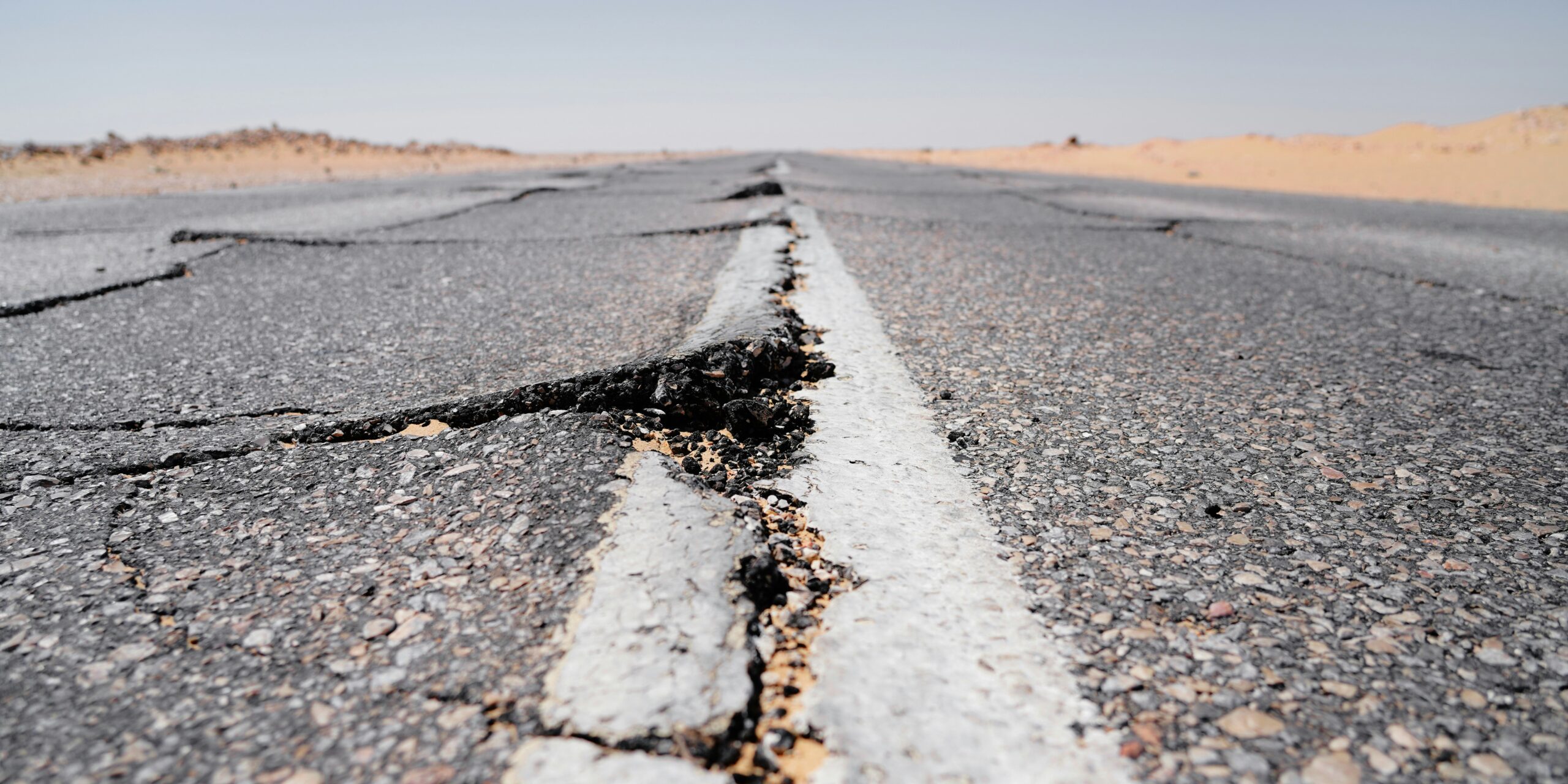
Courtesy:jens-aber from unsplash
- Courtesy:jens-aber from unsplash
A powerful earthquake struck beneath the waters off northern Indonesia on Thursday, causing buildings to crumble, forcing panicked residents out of their homes, and setting off a small tsunami that sent waves rippling along the Molucca Sea coast. At least one person was killed and several others were injured in what has quickly become one of the more significant seismic events to hit the region this year.
The undersea quake registered a magnitude of 7.4 and was centered in the Molucca Sea, the body of water bordered by North Sulawesi province and the neighboring North Maluku province. Both areas felt the force of the tremor, with strong shaking lasting between 10 and 20 seconds reported in the city of Bitung in North Sulawesi and in Ternate city in North Maluku, according to Indonesia’s Disaster Management Agency.
Lives lost and buildings reduced to rubble
The human toll began to come into focus within hours of the quake. Indonesia’s Search and Rescue Agency confirmed that a 70-year-old woman died after a building collapsed in Manado, the capital city of North Sulawesi province. Another resident in the same area sustained injuries. In Ternate, at least three people were transported to hospitals for treatment following the disaster.
Video footage released by rescue teams on the ground showed the extent of the destruction flattened houses, cracked and damaged structures, and debris scattered across affected neighborhoods. Television broadcasts captured scenes of people flooding out of buildings and gathering in open streets, unwilling to risk returning indoors while the earth continued to shake beneath them.
Initial assessments in Ternate revealed damage ranging from light to severe across several locations, including a church and at least two private residences. In Bitung, officials said damage evaluations were still ongoing as emergency teams worked to reach affected neighborhoods. Authorities acknowledged that remote villages in the region had yet to be fully assessed, meaning the complete scope of destruction was still unknown.
A small tsunami adds to the danger
Beyond the immediate destruction caused by the shaking itself, the earthquake generated a tsunami that added another layer of concern for coastal communities. Monitoring stations positioned around the Molucca Sea coastline recorded waves reaching up to 75 centimeters roughly 30 inches above normal tide levels.
Indonesia’s meteorological agency initially issued a tsunami warning in the immediate aftermath of the quake, though that warning was lifted several hours later as the threat receded. To the north, the Philippine Institute of Volcanology and Seismology assessed the situation and determined there was no destructive tsunami threat to the Philippines, offering some relief to communities across the border.
Dozens of aftershocks keep residents on edge
The initial quake was followed by dozens of aftershocks, one of which registered a magnitude of 6.2 powerful enough on its own to cause damage and renew fears among residents who had only just begun to assess the situation. Each aftershock sent fresh waves of anxiety through communities still reeling from the original strike.
Indonesia’s geography makes it uniquely vulnerable to events like this. The country is a sprawling archipelago of more than 17,000 islands, home to over 280 million people, and sits directly atop some of the world’s most active seismic fault lines. Earthquakes, volcanic eruptions, and tsunamis are a recurring reality for millions of Indonesians, many of whom live in coastal areas with limited time to evacuate when disaster strikes.
Authorities continued gathering information Thursday as rescue and relief operations expanded across the affected region.
Source: The Associated Press
About the Author