Courtesy:SheilaCherfilus

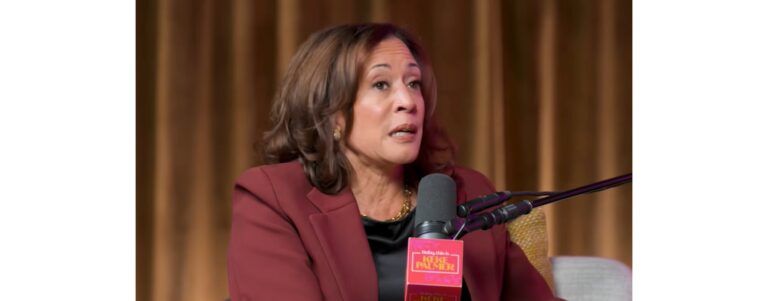
The margin between resignation and expulsion turned out to be exactly 20 minutes. Representative Sheila Cherfilus-McCormick, a Florida Democrat facing federal charges of stealing $5 million in disaster relief funds, announced her resignation from Congress on Tuesday, April 21 just moments before the House Ethics Committee was scheduled to convene and vote on moving toward her removal from office.
The timing was not coincidental. The committee had been building toward this moment for years, and with a formal expulsion vote imminent, Cherfilus-McCormick chose to exit on her own terms rather than become only the sixth member of Congress in American history to be formally expelled.
What she was accused of
The charges against Cherfilus-McCormick are serious in both their nature and their potential consequences. She was indicted in November on allegations of stealing money from the Federal Emergency Management Agency funds designated for federal disaster relief and funneling a portion of that money into her 2021 congressional campaign. The case carries a potential prison sentence of up to 53 years if she is convicted on all counts.
The House Ethics Committee had been investigating her conduct for years before the matter reached a public stage. Last month, the panel took the rare step of opening a public hearing into her case, concluding that she had committed ethics violations related to the FEMA money scheme. Her legal team had argued against the public hearing on the grounds that it could compromise her right to a fair criminal trial, but the committee proceeded regardless.
Cherfilus-McCormick has denied any wrongdoing throughout the process.
Her final words from office
In a social media post announcing her resignation, Cherfilus-McCormick directed her criticism squarely at the Ethics Committee, accusing it of denying her lawyers adequate time to prepare her defense. She framed her departure as a matter of principle, warning against the danger of punishing elected officials before due process has run its course and arguing that allegations alone should not be allowed to override the democratic will of the voters who sent her to Washington.
The argument landed in a politically charged environment where sympathy for her position was limited. Pressure from members of both parties had been mounting in recent weeks, and the committee’s movement toward expulsion suggested that her standing in the chamber had deteriorated beyond recovery.
Part of a larger wave of congressional departures
Cherfilus-McCormick’s resignation does not stand alone. It is the latest in a rapid series of congressional exits that has drawn significant attention to the conduct of elected officials in recent weeks.
Last week, Representative Eric Swalwell, a Democrat from the San Francisco Bay Area, announced he would resign following allegations that he sexually assaulted a former staff member and engaged in misconduct with other women. Around the same time, Representative Tony Gonzales, a Texas Republican, said he would step down amid accusations of a coercive sexual relationship with a staff member who later died by suicide.
Three departures from Congress in the span of a single week each tied to serious allegations of personal or financial misconduct represent an unusual concentration of exits that has prompted broader conversations about accountability standards for members of the House.
What comes next for Florida’s district
Cherfilus-McCormick had been representing parts of southeast Florida in Congress since winning a special election in January 2022, and she had been running for re-election at the time of her resignation. Her departure now triggers a process to fill her seat, leaving a portion of southeast Florida without congressional representation until a successor is elected.
Her criminal case, separate from the congressional proceedings, continues. Resignation from Congress does not resolve the federal indictment she is facing, and the legal process surrounding the theft charges will move forward regardless of her changed status as a private citizen.
Source: The New York Times
About the Author