UK Shock Ban: 2008-born barred from smoking forever
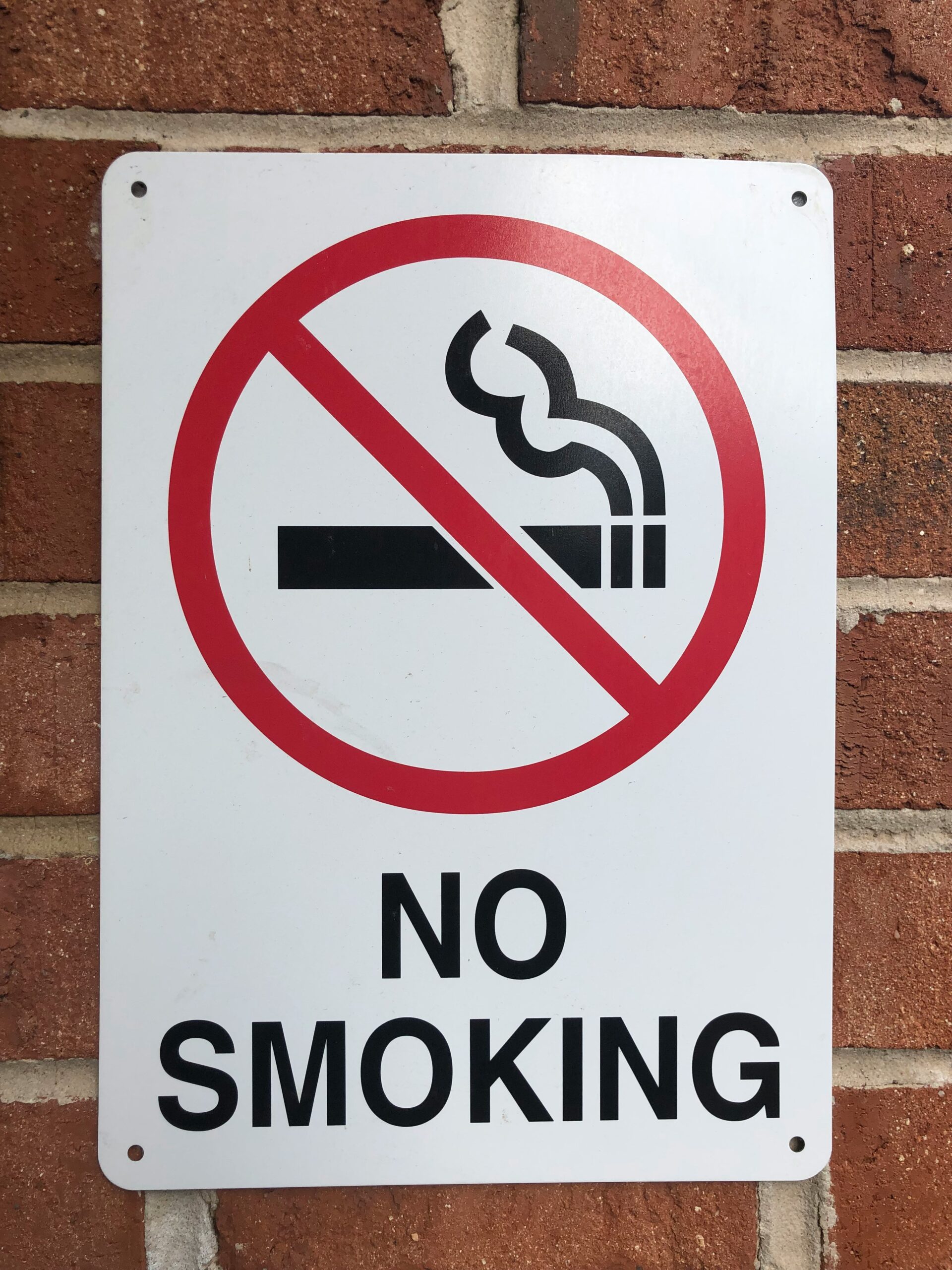
Courtesy:blogging-guide from unsplash
The United Kingdom has approved one of its most aggressive public health reforms in decades, setting the stage for a future where younger generations will never be able to legally buy cigarettes. The move, passed by United Kingdom lawmakers, is part of a broader effort to reduce smoking rates to near zero over time.
Under the Tobacco and Vapes Bill, anyone born after Jan. 1, 2009, will be permanently banned from purchasing tobacco products. The legislation still requires final approval from King Charles III, but it is widely expected to become law in 2027 after clearing Parliament of the United Kingdom.
The policy represents a generational shift in how smoking is regulated, moving away from age-based limits and toward a permanent phase-out model.
How the generational ban will work
The new system introduces a long-term structure designed to eliminate smoking over time rather than through a single nationwide prohibition. It operates through a rolling age restriction system:
Individuals born after 2009 will never be legally allowed to buy cigarettes, cigars, or traditional tobacco products.
Current adults remain unaffected and can continue purchasing tobacco legally.
Each year, the legal buying age will increase gradually, effectively locking younger cohorts out permanently.
By continuously raising the purchasing threshold, the government aims to ensure that tobacco access shrinks with each passing generation until smoking is eventually phased out entirely.
What will still be allowed under the rules
While tobacco faces the strictest controls, smoking itself will not be fully banned. Adults who already smoke will still be permitted to do so, and designated smoking areas will remain in place outside pubs, restaurants, and private homes.
Vaping products that do not contain tobacco are not included in the ban. However, many public spaces that are already smoke-free are expected to extend those restrictions to vaping as well, tightening overall regulations around nicotine use.
New protections will also expand smoke-free zones near sensitive areas such as schools, hospitals, and playgrounds, reflecting a wider effort to reduce exposure to secondhand smoke.
Global trend toward stricter smoking laws
The United Kingdom joins a small group of countries experimenting with long-term smoking bans for future generations. The Maldives has introduced similar restrictions, while New Zealand previously passed a comparable law in 2023 before later reversing it following a change in government leadership.
Health officials in the UK have described the policy as one of the most significant public health interventions in recent memory, framing it as a way to reduce long-term healthcare burdens and prevent smoking-related illnesses before they begin.
Supporters argue that the measure could reshape public health outcomes for decades, especially among young people who would otherwise be exposed to nicotine addiction early in life.
Criticism and political debate
Despite its ambitious goals, the legislation has drawn criticism from some lawmakers and public health commentators. Opponents argue that the ban does not address the root causes of smoking, such as addiction, mental health, and socioeconomic factors.
Some critics also question whether increasing restrictions will lead to unintended consequences, including the growth of unregulated markets or increased enforcement challenges.
Others believe education and prevention programs would be more effective than permanent legal barriers tied to birth year.
What happens next
Once the bill receives final approval and becomes law in 2027, enforcement will begin across England, Scotland, Wales, and Northern Ireland. The government has stated that the goal is not immediate prohibition, but a gradual reduction in smoking rates until they reach historically low levels.
For now, the UK’s approach marks a bold experiment in public health policy, one that could influence how other countries handle tobacco regulation in the future.
Source: New York Post
About the Author

Praise Swint
Wpseo_editor
Praise Swint is a contributor at Revelence, covering stories across news, entertainment, and culture.