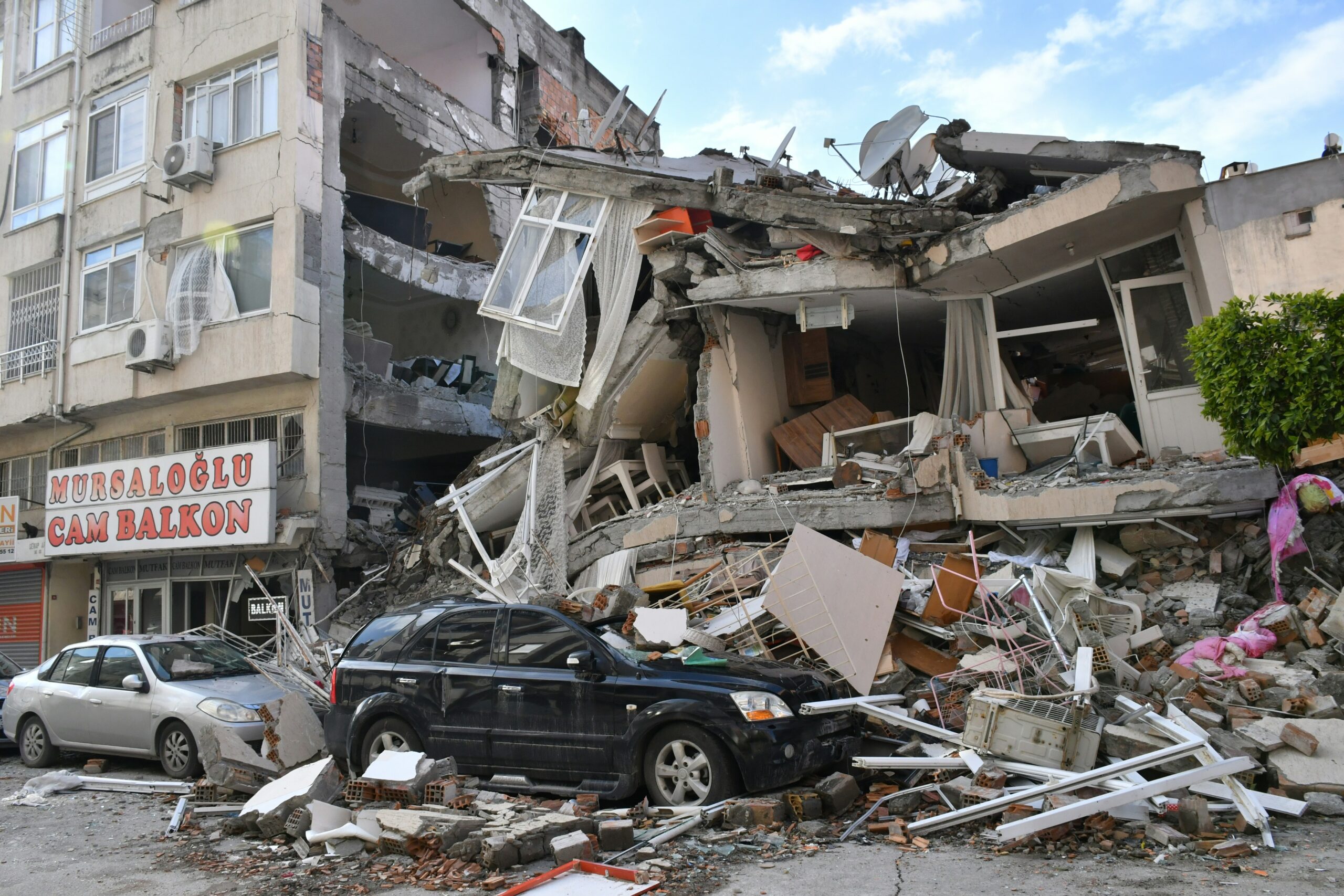
Photo by Çağlar Oskay on Unsplash
A moderately strong earthquake shook part of Japan on Tuesday evening. The Japan earthquake Noda June 2026 event registered a magnitude of 5.5, according to the United States Geological Survey. The temblor struck at 7:46 p.m. Japan time and was centered approximately 2 miles northwest of Noda, Japan. Seismologists may revise the magnitude figure as they continue reviewing available data in the hours that follow.
What the USGS data shows
The USGS tracked and published initial data on the quake shortly after it occurred. The agency’s shake intensity map shows areas with a shake intensity of 3 or greater a level the USGS defines as weak on the Modified Mercalli Intensity scale. However, the earthquake may have been felt in areas that fall outside the mapped zone. Population density data from LandScan via Oak Ridge National Laboratory helps provide additional context for understanding the potential impact across the affected region.
Furthermore, scientists may update the shake-severity map as additional information becomes available. That process is standard following any significant seismic event, as initial readings can shift once more data comes in from monitoring stations across the region. Aftershock data, when available, covers earthquakes within 100 miles and 7 days of the initial event.
Japan’s ongoing seismic activity
Japan sits within one of the most seismically active zones on Earth. The country straddles multiple tectonic plate boundaries. As a result, it experiences thousands of earthquakes each year, ranging from minor tremors to major events capable of causing widespread damage. A magnitude 5.5 event is considered moderately strong and can cause light to moderate shaking, particularly near the epicenter. Structural damage and injuries are possible, especially in areas with older or less earthquake-resistant buildings.
The Noda area sits in the Iwate Prefecture region of northeastern Japan. This part of the country has a history of seismic activity. Notably, the region lies not far from areas affected by significant past earthquakes. Local residents in earthquake-prone parts of Japan typically follow established safety protocols when tremors occur, including taking cover and moving away from windows and heavy objects.
What to watch for next
As of Tuesday, June 16 at 8:32 a.m. Eastern time, aftershock data was still being compiled by the USGS. Shake data was current as of 7:01 a.m. Eastern. Both figures will continue to update as scientists gather more information from seismic monitoring networks across Japan and the broader Pacific region.
No immediate reports of damage, casualties or tsunami warnings have emerged in connection with this event. However, local authorities in Japan typically assess conditions quickly following any quake of this magnitude and issue guidance to residents as needed. Anyone in or near the Noda area should follow guidance from local emergency management officials and monitor official channels for updates.
Source: The New York Times / USGS
About the Author