Photo credit: O J Simpsons
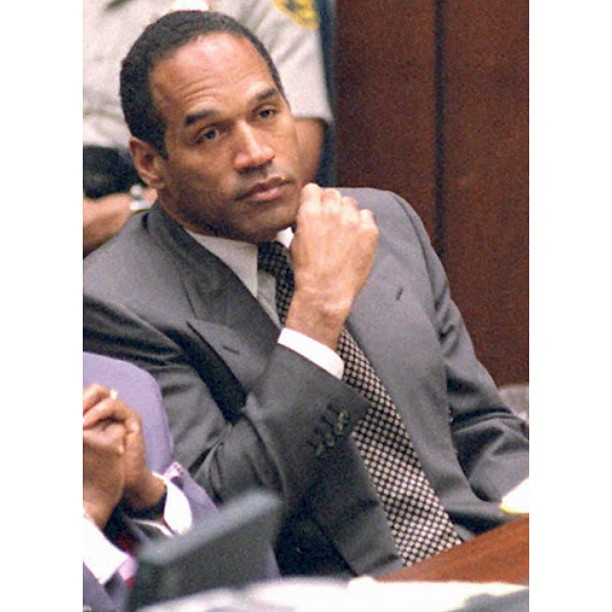
The Buffalo Bills O.J. Simpson era officially ends at Highmark Stadium. The Bills made their position clear on Saturday, June 27. When the team’s new $2.1 billion Highmark Stadium in Orchard Park, New York opens for regular-season play, O.J. Simpson’s name will not appear anywhere inside it. Bills chief operating officer Pete Guelli told ESPN and Buffalo CBS affiliate WIVB directly that the organization considers Simpson not a fit to display inside the new stadium and its family circle area.
The announcement ends a long-running internal debate. According to ESPN, the Bills still discussed whether to include Simpson in the new venue’s family circle as recently as this past spring. Guelli’s statement on Saturday settled that question definitively.
What the family circle area represents
The family circle serves as a key feature of the new Highmark Stadium experience. It operates as a permanent, year-round outdoor plaza celebrating the players and figures who shaped the Bills franchise across its history. Several iconic Bills legends will receive recognition there. However, despite the Bills inducting Simpson as the first player ever into the original Bills Wall of Fame back in 1980, he will not join them in the new venue.
Furthermore, according to ESPN, Simpson’s name is likely the only one from the old stadium’s Wall of Fame that will not transfer to the new family circle. That distinction reflects the uniquely complicated nature of his legacy and the organization’s decision to draw a firm line as it enters a new era.
Simpson’s football legacy and troubled history
By any purely athletic standard, O.J. Simpson ranks among the greatest running backs in NFL history. The Bills chose him as their first pick in the 1969 AFL-NFL Common Draft. He spent nine seasons in Buffalo before finishing his career with the San Francisco 49ers from 1979 to 1982. In 1973, he became the first player in NFL history to rush for more than 2,000 yards in a single season. The NFL named him its player of the year three times during the 1970s. Additionally, he entered the Pro Football Hall of Fame with the class of 1983 and remains a member of that institution today.
However, his athletic achievements could not survive the shadow of June 1994. That month, Nicole Brown Simpson and Ron Goldman died from stab wounds at her California home. Authorities charged Simpson with both murders. After a highly publicized eight-month trial that gripped international audiences, a jury acquitted him in 1995. That verdict divided public opinion in ways that never fully healed.
Moreover, Simpson later faced additional legal consequences on separate grounds. In 2008, a court convicted him of armed robbery and kidnapping in connection with a Las Vegas incident. He served nine years in prison before his 2017 release. He died in April 2024 at age 76 following a cancer diagnosis.
A decision years in the making
The Bills’ decision to exclude Simpson from Highmark Stadium carries significant weight even if it does not surprise many observers. For decades, his name remained on the old stadium’s Wall of Fame despite persistent public debate about whether it belonged there. Consequently, the construction of a new stadium gave the organization a natural and inevitable moment to revisit that question and deliver a clear answer.
Highmark Stadium held its grand opening ceremony on Tuesday, June 23, 2026. The Bills will play their first regular-season game at the venue against the Detroit Lions on Thursday, September 17. As the franchise steps into this new chapter, it has chosen to move forward without the most controversial name in its history on display.
Source: PEOPLE
About the Author