Image by alyerika from Pixabay
One of the oldest cultivated foods in human history is having a serious moment. Dates the sweet, chewy stone fruit with roots stretching back thousands of years are showing up in grocery carts, social media feeds and nutrition conversations across the country at a pace that has caught even industry insiders off guard. The dates fruit snack trend 2026 is not a passing fad. It reflects a deeper and accelerating shift in how Americans think about what they eat and where their sugar comes from.
The numbers behind the surge
U.S. sales of dates jumped 33% in 2025, according to a founding member of Joolies California Superfruit, an organic California-grown date company. That kind of growth in a single year is remarkable for any food category. Moreover, the trajectory is expected to continue well beyond that. Fortune Business Insights projects the U.S. date market will reach $1.6 billion by 2034. Globally, the market sits at $34.5 billion in 2026 and is forecast to grow at a compound annual rate of 6.1%, reaching $55.58 billion by 2034.
The numbers from the U.K. are equally striking. Medjool date sales at grocery retailer Ocado doubled compared to the prior year, according to The Guardian. That 100% increase signals that the appetite for dates extends well beyond American borders and reflects a genuinely global shift in consumer behavior.
Why dates are winning right now
The timing of the date’s rise makes complete sense when placed against the broader food landscape. Consumers across age groups are increasingly pushing back against ultra-processed foods products loaded with artificial ingredients, added sugars and chemical preservatives. Dates offer a direct contrast. They are whole, minimally processed and naturally sweet without any additives.
Social media has amplified that message dramatically. Videos of people tasting dates for the first time regularly go viral. Recipes showcasing dates as a sugar substitute in healthy desserts have flooded platforms like TikTok and Instagram, introducing the fruit to audiences who might never have considered it as a pantry staple. That organic reach has driven trial in a way that paid advertising rarely achieves.
Registered dietitian Lisa Moskovitz, founder of the NY Nutrition Group and author of The Core 3 Healthy Eating Plan, told Fox News Digital that dates have long been a tool in nutrition circles well before the current trend. She noted that dietitians have relied on them for years to sweeten smoothies and lower-sugar desserts. What has changed is that mainstream consumers are finally catching up. According to Moskovitz, dates deliver fiber, antioxidants and essential nutrients including magnesium and potassium all in one naturally sweet package.
The health benefits driving consumer interest
The Cleveland Clinic lists several meaningful health benefits tied to regular date consumption. These include improved gut health, better brain function, healthier skin and a reduced risk of multiple diseases. Those benefits, combined with the fruit’s natural sugar profile, make it a compelling alternative to candy bars, cookies and other processed snack foods that deliver sweetness without nutritional value.
However, Moskovitz also offered an important caution. Each date contains approximately 15 grams of natural sugar. For people who need to manage their sugar intake carefully, that amount can add up quickly. Her recommendation is to pair dates with nuts or seeds to help balance blood glucose levels and prevent a rapid spike.
What you need to know about date varieties
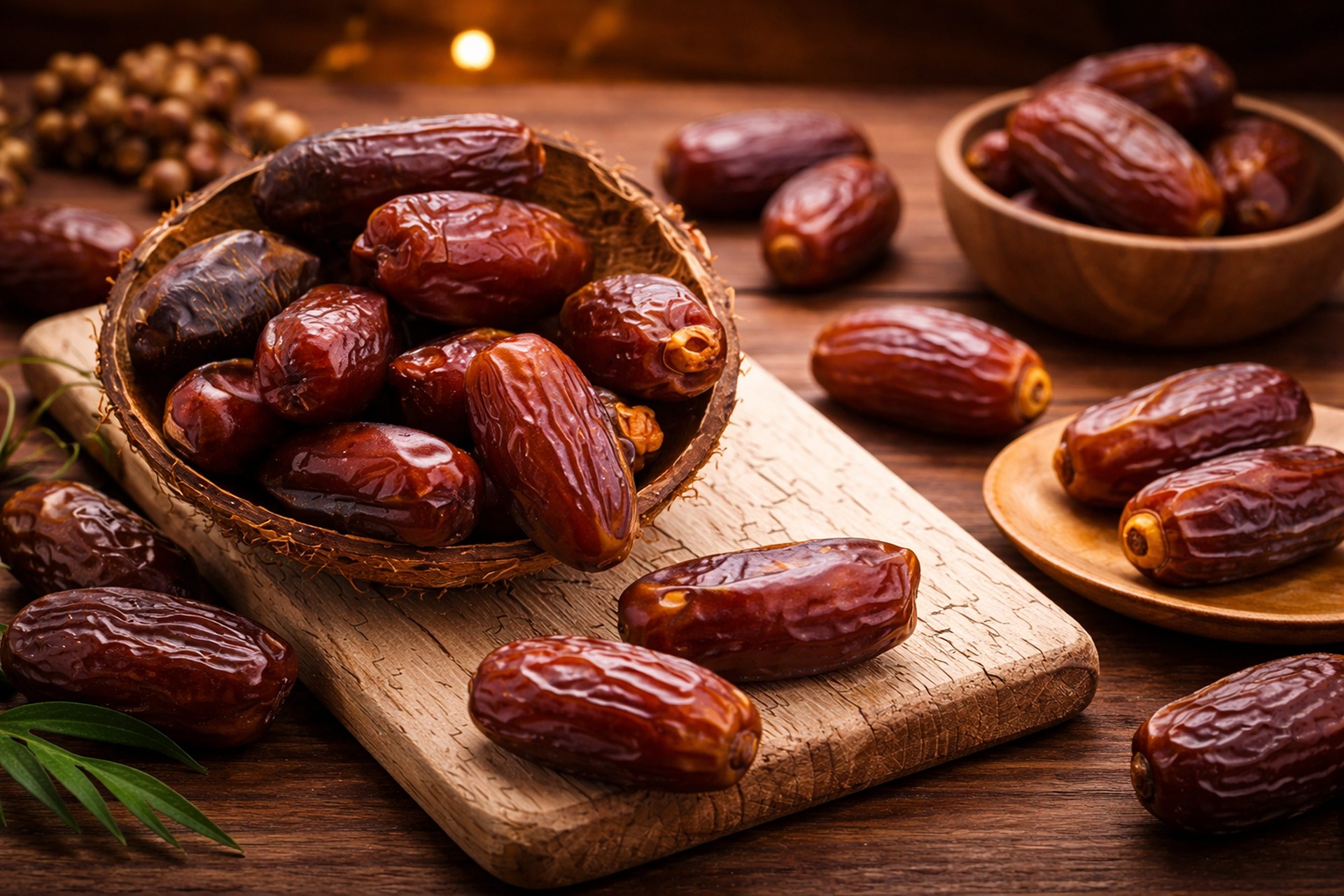
Not all dates are the same. The fruit divides into 3 main categories based on moisture content. First, soft dates are the most moist and tender. Second, semi-dry dates fall in the middle and work well for both snacking and cooking. Third, dry dates contain the least moisture and suit baking and cooking applications best. Among all varieties, medjool dates are the most widely recognized and popular for direct snacking given their rich, caramel-like flavor and satisfying texture.
A fruit with thousands of years of history
Dates are not new. Historians believe ancient civilizations in Mesopotamia cultivated them as early as 6,000 to 8,000 years ago. The Middle East and Africa remain the dominant markets today, accounting for 85.28% of global demand in 2025. The fruit holds deep cultural significance across the region. Muslims traditionally break the Ramadan fast with dates, a practice rooted in centuries of religious and cultural tradition according to Brandeis University.
What makes the current moment interesting is that a fruit so deeply embedded in ancient culture is now finding a new generation of devoted consumers who discovered it through a viral video rather than a family tradition. Either way, the date has arrived and the numbers suggest it is not going anywhere.
Source: Fox News
About the Author