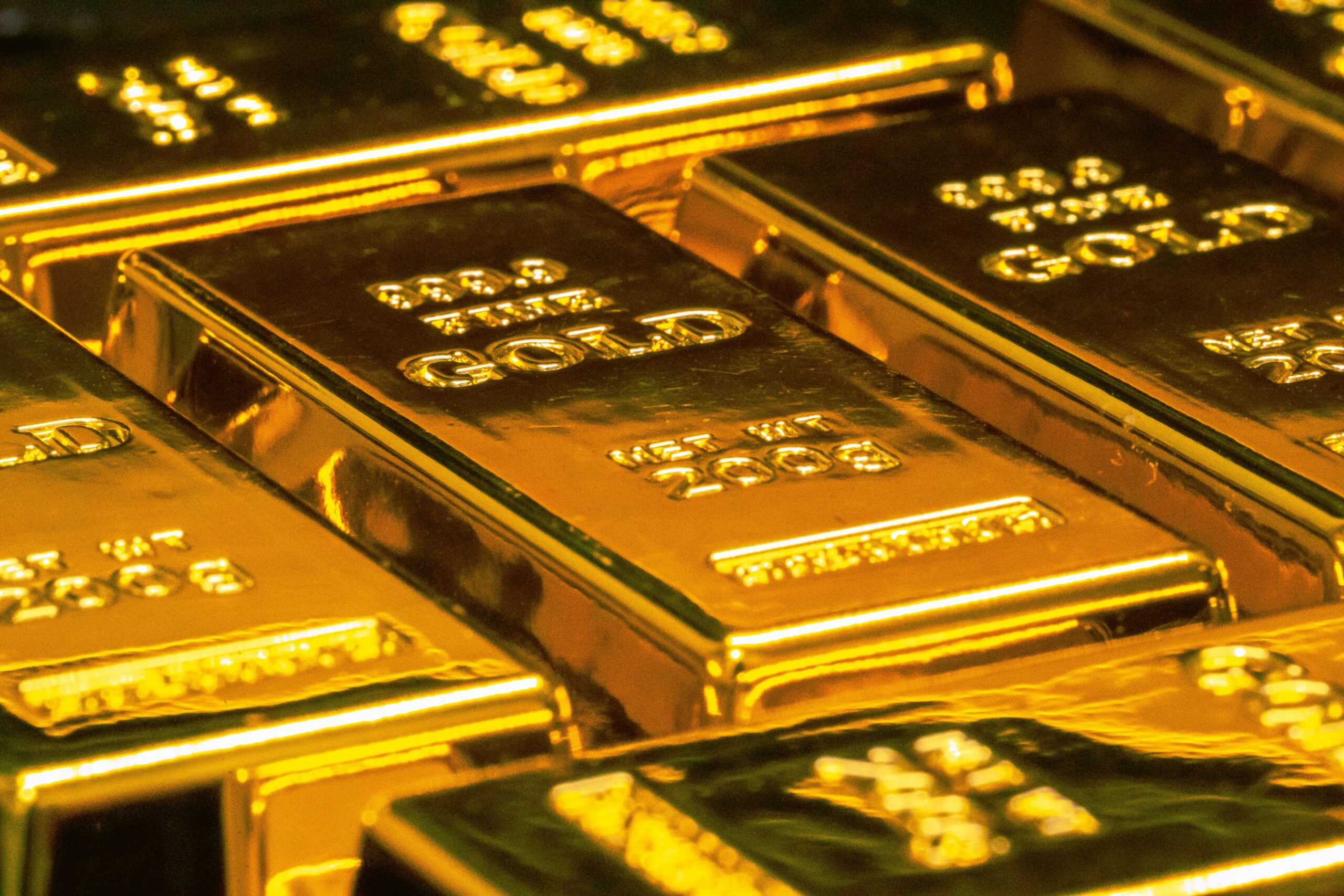
Photo by Jingming Pan on Unsplash
Gold tumbles below $4,000 as metals hit their lowest point since November
Precious metals are having a rough morning on Wall Street. Gold fell below the $4,000 mark on Wednesday for the first time since November, while silver dropped close to 6% in early trading. Both metals are now sitting at seven-month lows, hit hard by a combination of a strengthening dollar and growing expectations that the Federal Reserve will raise interest rates before the end of the year.
As of 9:15 a.m. EST on Wednesday, gold was trading at $3,988.60 per ounce, down nearly 4% on the day. Silver stood at $58.44, just slightly above the morning low of $58.09 it touched earlier in the session.
The week-long slide has been steep
The drop on Wednesday is not an isolated event. Both metals have been declining steadily throughout the past week. Over that period, silver has fallen roughly 16% while gold has lost about 8%. Those are significant moves for assets that many investors hold precisely because they are supposed to offer stability.
To put the silver decline in sharper context, its current price is now less than half of the all-time high of $121 per ounce it reached in January. Gold, at its peak, touched approximately $5,600 per ounce. Both metals have lost enormous ground since that historic rally came to an abrupt end.
What is driving the selloff
Ole S. Hansen, head of commodity strategy at Saxo Bank, pointed directly to 2 forces weighing on metal prices Wednesday morning. The first is a stronger U.S. dollar. The dollar index rose 0.36% on Wednesday to 101.77, its highest level in more than a year. A stronger dollar typically puts downward pressure on metals because they are priced in dollars, making them more expensive for international buyers. The second factor is a technology-led equity selloff that has added to broader market anxiety this week.
Much of that anxiety centers on the Federal Reserve’s likely path on interest rates. At its most recent meeting under new Chairman Kevin Warsh, the Fed held rates steady but signaled significant internal debate about the future direction of policy. Nine of the panel’s 18 officials supported at least one rate hike this year. Markets are now pricing in that possibility, and precious metals are feeling the pressure.
Philippe Gijsels, chief strategy officer at BNP Paribas Fortis, described the relationship between interest rates and asset prices in straightforward terms. When rates rise, gravity increases and pulls all assets down, including precious metals. Analysts at Germany’s Commerzbank echoed that view, noting that as long as rate hike expectations persist, gold prices are likely to stay under pressure.
The Iran war has upended the safe-haven narrative
One of the more surprising aspects of this metals decline is the backdrop against which it is happening. Conventional wisdom holds that gold and silver are safe-haven assets. In times of international uncertainty, investors typically flock to them. Yet throughout the ongoing war in Iran, both metals have actually declined. ANZ research analysts noted in a report on Tuesday that gold has dropped more than 22% during the conflict and has failed to provide the protection investors traditionally expect from it.
Instead, gold and silver have been trading inversely with oil prices throughout the war, a pattern that defies the usual playbook and has caught some investors off guard.
What sent prices crashing from their January highs
The historic rally that sent gold and silver to all-time highs in late January was fueled by a mix of factors. Interest rate cuts, President Donald Trump’s tariff policies, international tensions and surging demand for metals from the technology sector all contributed to the surge. The rally ended sharply when Trump named Kevin Warsh to lead the Federal Reserve. Markets quickly concluded that Warsh was less likely than other candidates to continue cutting rates aggressively, and metal prices reversed course almost immediately.
Source: Forbes
About the Author