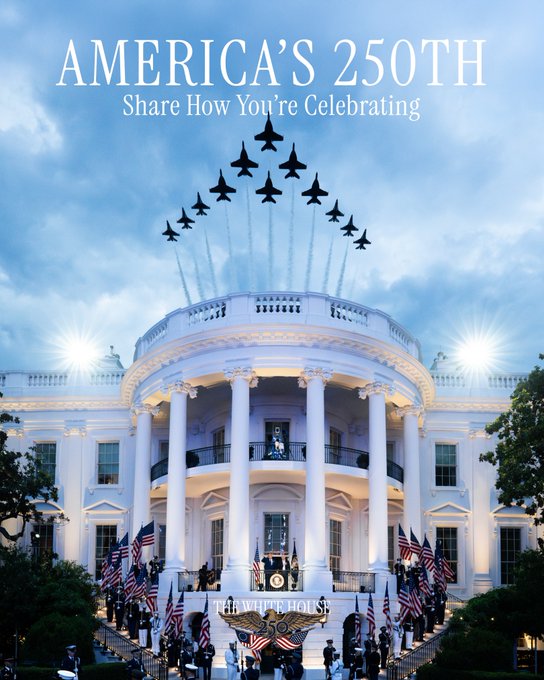
Courtesy: Independence Day
America is turning 250. This weekend marks 250 years since the country declared independence from Britain. Celebrations fill city streets, national parks and public squares from coast to coast. Underneath the fireworks, a louder argument runs than this country has faced at any milestone birthday in recent memory.
The debate is not about whether to celebrate. It is about which version of America the celebrations choose to honor and who gets to make that choice.
What the America 250 celebrations have looked like
The federal government organized most of the visible 250th anniversary programming through Freedom 250. This nonprofit operates under the National Park Foundation. It took over from the original organizing body, known publicly as America250. That shift came after President Donald Trump returned to office in January 2025.
Freedom 250 events have ranged widely in tone and scale. A national prayer gathering called Rededicate 250 drew thousands to the National Mall in late May. An outdoor Great American State Fair followed in June with modest attendance. A planned concert series fell apart after several artists withdrew. Trump converted the July 4 concert slot into a political rally. Military displays became central to the public-facing program throughout the year.
The National Park Foundation collected nearly $80 million in federal grants tied to the 250th under Freedom 250. Before that group formed, the same foundation had received less than $8 million in total government grants going back to 2009. America250, the original commission, had collected only a quarter of its congressionally approved funds as of April.
The America 250 argument over history
Freedom 250’s programming drew criticism for centering a narrow version of American history. Events partnered with organizations promoting conservative school curricula and Christian nationalist frameworks. The National Park Service also removed historical panels from federal sites earlier this year. Those panels described enslaved people at George Washington’s Philadelphia home. A federal judge ordered them restored. An appeals court later overturned that ruling.
Critics argue the celebrations traded nuanced history for a simplified story built for political gain. Supporters describe the events as genuine patriotism. The disagreement reflects a wider national argument about how the country should understand its own past and who those 250 years actually served.
What America’s 250 years of democracy deserve
Beyond the politics, the milestone carries real weight. Democracies rarely survive 250 years. The United States endured a civil war, two world wars, economic collapses and repeated constitutional crises. That record of survival deserves acknowledgment regardless of the political moment surrounding it.
The bicentennial in 1976 arrived differently. The Vietnam War had recently ended. The Supreme Court carried a civil rights legacy. A sense of possibility ran through the country alongside its troubles. This Fourth of July feels heavier than that.
The founding ideals of free speech, a free press and fair legal process all face open challenge today. That pressure is more visible than it was 50 years ago. The Bill of Rights still exists. So does the ongoing argument over whether its promises reach everyone equally.
250 years in, the American experiment continues. What the next 250 bring depends largely on how honestly the country faces that question rather than how loudly it avoids it.
SOURCE: The Ringer
About the Author