Courtesy: Siwon Lee from Pixabay
Courtesy: Siwon Lee from Pixabay
A Georgia-based food company has pulled thousands of pounds of ready-to-eat chicken products from shelves across seven states after laboratory testing detected potentially dangerous bacteria contamination.
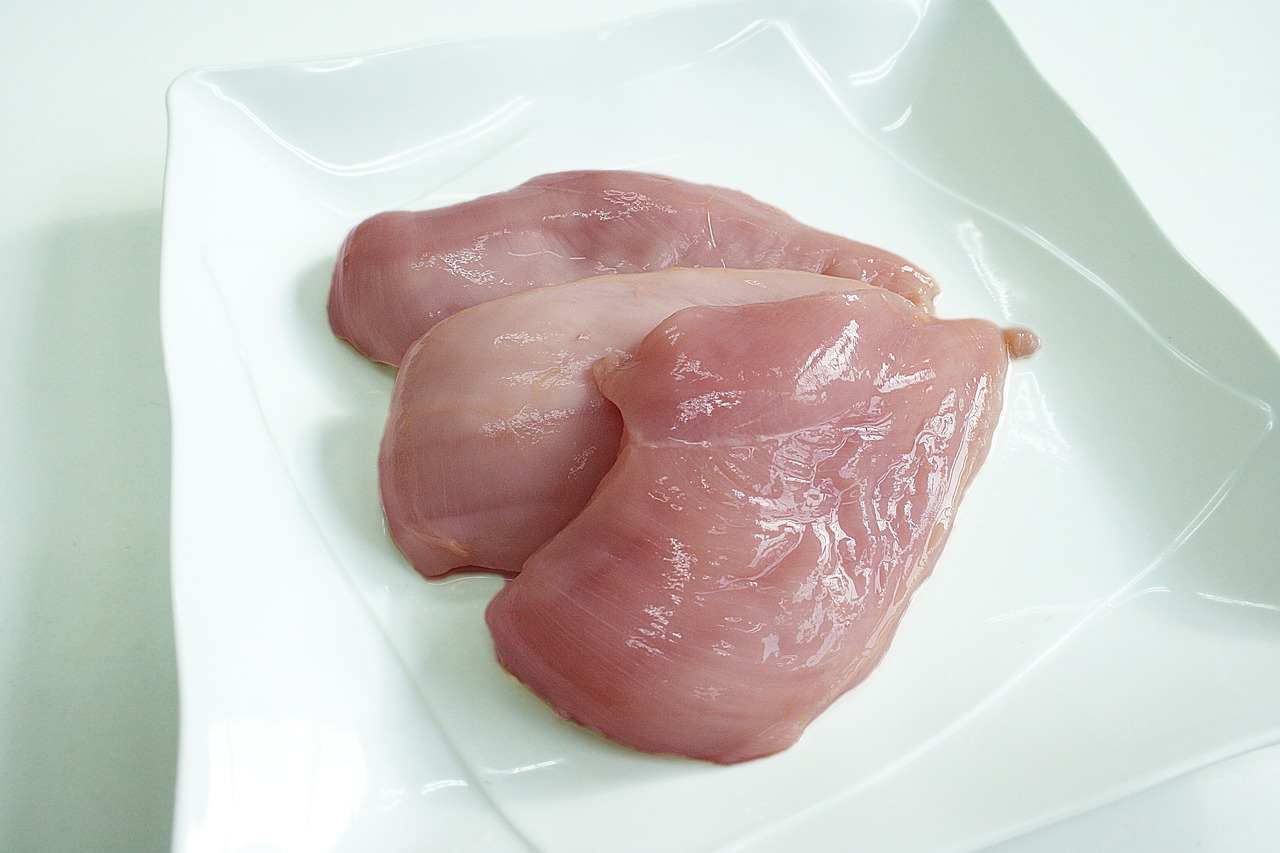
Suzanna’s Kitchen, headquartered in Norcross, Georgia, recalled approximately 13,720 pounds of its ready-to-eat grilled chicken breast fillet products following the discovery, according to an announcement from the U.S. Department of Agriculture. The Food Safety and Inspection Service, a branch within the department, confirmed the recall details and urged consumers to check their freezers.
1. Products and distribution details
The recalled products were manufactured on October 14, 2025, and packaged in 10-pound cases containing two 5-pound bags of cooked grilled chicken breast fillets with rib meat. These items were distributed to food service centers across Alabama, Florida, Georgia, Missouri, New Hampshire, North Carolina and Ohio.
Consumers can identify potentially contaminated products by checking for establishment number P-1382 inside the USDA mark of inspection on cases and packaging. The items also display lot code 60104 P1382 287 5 J14, which distinguishes them from other production batches.
2. How contamination was discovered
A third-party laboratory conducting routine testing on the chicken fillets discovered the problem. The facility reported a positive result for Listeria monocytogenes, a type of disease-causing bacteria that poses serious health risks when consumed through contaminated food.
This detection method represents a critical checkpoint in the food safety system, catching potential hazards before they can cause widespread illness. The proactive testing allowed officials to initiate the recall before any confirmed cases of sickness emerged.
3. Understanding listeria bacteria
Listeria monocytogenes exists in numerous environments, according to the U.S. Food and Drug Administration. The bacteria can be found in soil, water, sewage, vegetation and animals, making it a persistent challenge for food safety professionals.
One particularly concerning characteristic of listeria involves its ability to survive and grow even when contaminated products remain refrigerated. This resilience sets it apart from many other foodborne pathogens that cold temperatures typically control or eliminate.
The bacteria generally spreads when food undergoes harvesting, processing, preparation, packing, transportation or storage in manufacturing or production environments already contaminated with the organism. This means contamination can occur at multiple points along the supply chain.
4. Health risks and statistics
Listeria infections represent the third-leading cause of death from foodborne illness in the United States, according to the Centers for Disease Control and Prevention. The agency estimates approximately 1,250 people contract listeria infections annually, with 172 deaths occurring each year from these cases.
Certain populations face elevated risks from listeria exposure. Pregnant women, elderly individuals, young children and people with weakened immune systems prove particularly vulnerable to serious complications. In pregnant women, listeria infections can result in miscarriage, stillbirth, premature delivery or life-threatening infections in newborns.
Healthy adults typically experience milder symptoms including fever, muscle aches, headache, stiff neck, confusion and loss of balance when infected. However, the severity of potential outcomes makes any exposure concerning.
5. No illnesses reported yet
Health officials confirmed no reports of illness connected to consumption of the recalled products have been received. This fortunate circumstance suggests the recall reached consumers before widespread distribution or consumption occurred.
Despite the absence of reported illnesses, officials encouraged anyone with concerns about potential exposure to contact their healthcare provider. Early medical intervention can prove crucial in managing listeria infections effectively.
6. Consumer recommendations
Anyone who purchased the affected chicken products should not consume them. Consumers can either discard the items in sealed containers to prevent accidental consumption or return them to the point of purchase for potential refunds.
Thorough cleaning of any surfaces, containers or utensils that contacted the recalled chicken becomes essential to prevent cross-contamination. Hot, soapy water effectively eliminates bacteria from kitchen equipment and preparation areas.
Information for this article was gathered from CBS News.
About the Author