Why “Bigger Than Africa” is the Must-Watch Documentary this Black History Month
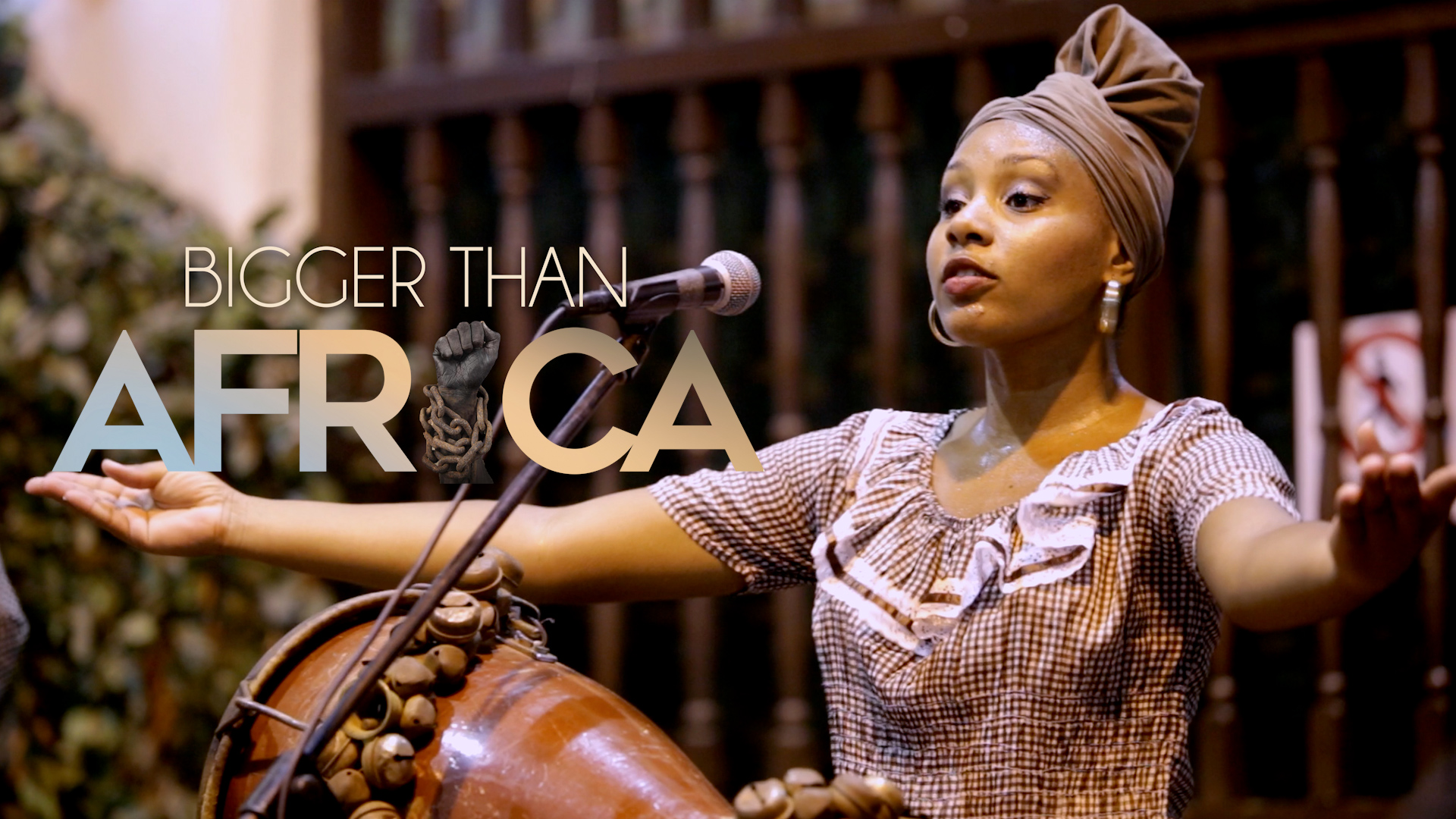
PhotoCredit: I. Adekeye
A far-reaching documentary tracing the global influence of Yoruba traditions is arriving on public television just in time for Black History Month. Bigger Than Africa, directed by Toyin Ibrahim Adekeye, is making its national broadcast debut through American Public Television and will also stream for two years on PBS.org and the PBS Video app.
The film explores how Yoruba identity survived the brutality of the trans-Atlantic slave trade and remained rooted in communities across the Americas. When enslaved Africans were taken to North America, Brazil and the Caribbean, they carried countless cultural traditions with them. Bigger Than Africa follows how one of those traditions, in particular, not only endured but flourished across continents.
Tracing Yoruba culture from West Africa to the world
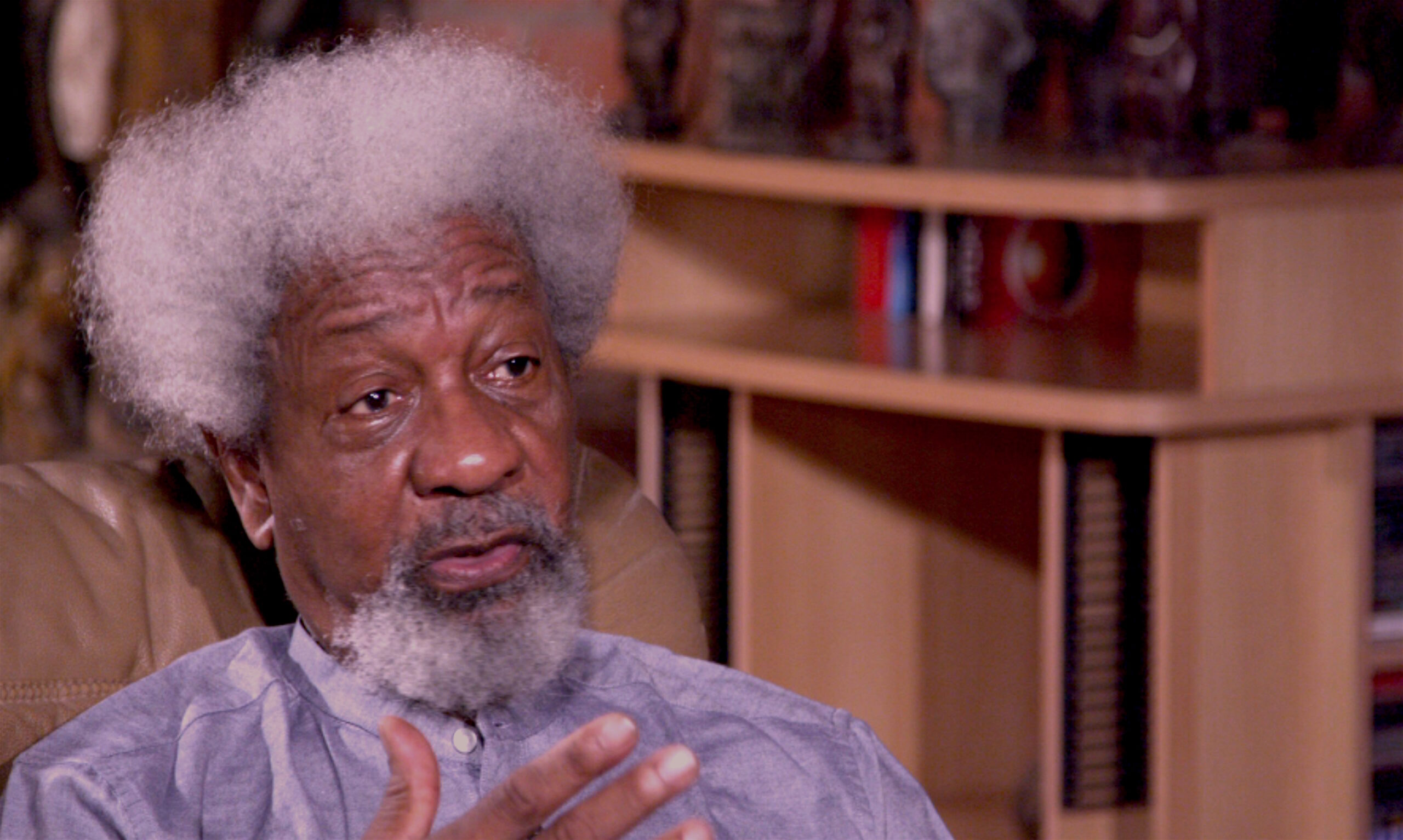
The documentary features insights from influential voices connected to Yoruba history, including Afrobeat musician and activist Femi Kuti, former Nigerian president Olusegun Obasanjo and Nobel Prize–winning writer Wole Soyinka.
The film retraces the path from the “ports of no return” in West Africa to regions across the Americas where Yoruba traditions took root. Through expert commentary, historical context and cultural examples, the documentary highlights how spirituality, language, music and communal identity continued to evolve throughout the diaspora.
Adekeye’s work shows how the culture endured despite displacement and trauma. The film also examines the ways it expanded and adapted, creating new expressions across countries shaped by the descendants of enslaved Africans.
Recognition across global stages
Before landing on public television, Bigger Than Africa was widely recognized on the international festival circuit. The documentary earned Best Documentary at the Charlotte Black Film Festival, the Jury Special Award at the Festival International du Film Panafricain de Cannes and Best Documentary at the International Houston Black Film Festival. It was also nominated for a Best Documentary honor at the Africa Movie Academy Awards.
The film’s message has reached global audiences as well. It has been screened at the United Nations, where its themes of identity, heritage and cultural resilience received attention from a diverse group of viewers and policymakers.
A lens into identity for two audiences
For Adekeye, the documentary serves a meaningful purpose for two communities at once. The director explains that the film helps West Africans see what happened to those who were taken during the era of enslavement. At the same time, it offers descendants of enslaved Africans a deeper connection to the cultural foundations that shaped their ancestors long before they reached the Americas.
By highlighting shared histories and cultural parallels across multiple countries, the film aims to build understanding, unity and pride for viewers who may be discovering parts of their identity for the first time.
A milestone moment for cultural storytelling on public television
The documentary’s arrival on public television expands its reach to millions of households across the U.S. Through American Public Television, a leading distributor known for bringing acclaimed series such as America’s Test Kitchen, Doc Martin and Rick Steves’ Europe to viewers nationwide, Bigger Than Africa joins a catalog of influential factual programming.
The film will also be available on streaming platforms, including PBS.org and the PBS Video app on devices such as Roku, Apple TV, Amazon Fire TV and Samsung Smart TV.
With its exploration of heritage, resilience and global connection, Bigger Than Africa adds a powerful chapter to this year’s Black History Month broadcasts. The documentary underscores how the Yoruba legacy continues to shape communities around the world centuries after its forced migration.

Source: American Public Television Press Release
About the Author

Praise Swint
Wpseo_editor
Praise Swint is a contributor at Revelence, covering stories across news, entertainment, and culture.