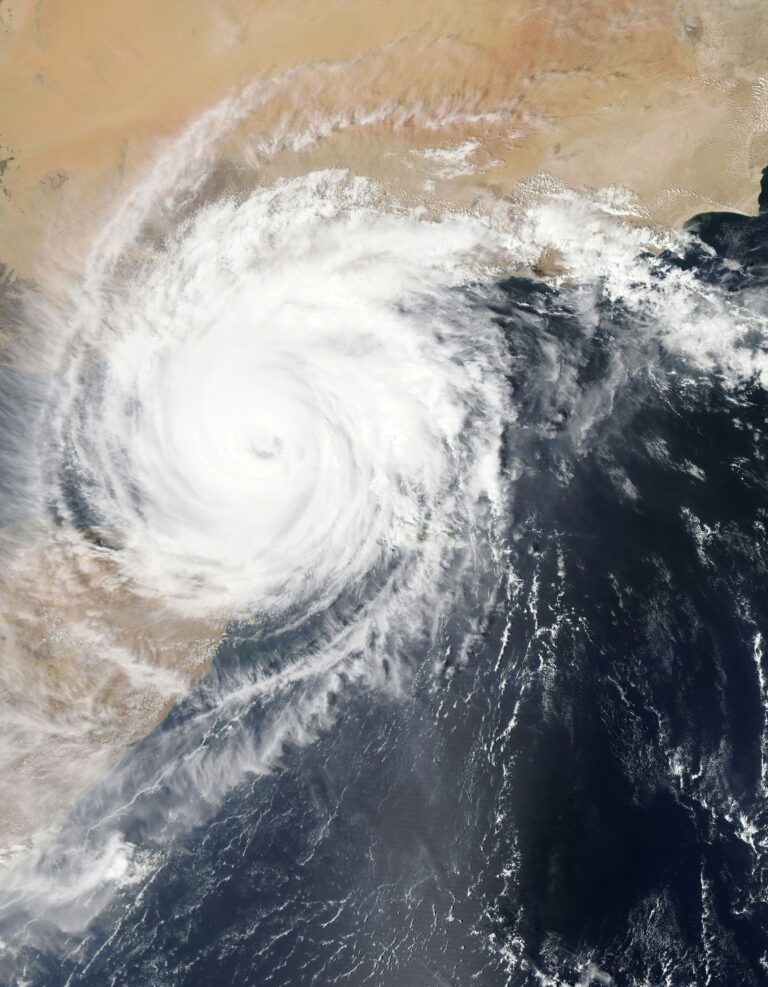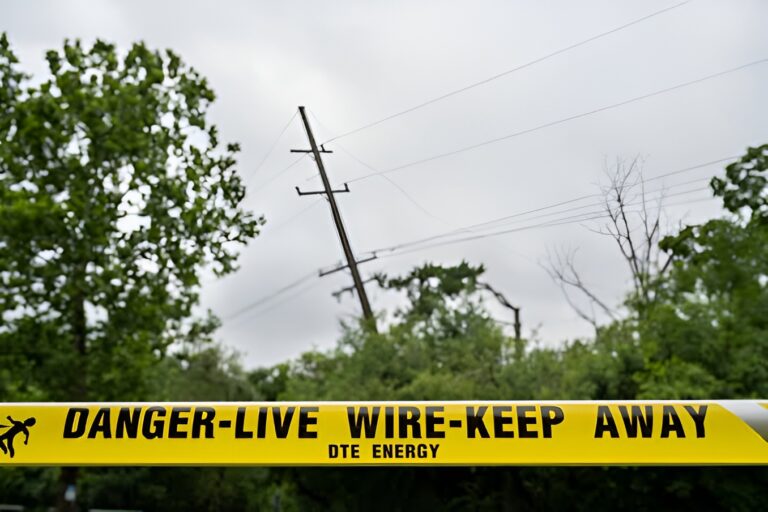
Courtesy:sreehari-devadas from unsplash
North Louisiana awoke to a startling shake at approximately 5:30 a.m. on March 5, as a magnitude 4.9 earthquake rattled homes and startled communities. Doorbell cameras in Coushatta, Louisiana, captured the tremors as furniture shifted and household items trembled.
Second largest earthquake in state history
According to the United States Geological Survey (USGS), the quake occurred north of Edgefield, Louisiana, near US-71, with a shallow depth of about three miles. This seismic event is the second largest ever recorded in the state. Louisiana’s largest earthquake to date was a 5.3 magnitude tremor that struck Grand Isle on February 9, 2006.
Local impact and response
Residents across northern Louisiana reported feeling the shaking throughout their homes, prompting widespread conversation on social media and local news channels. Authorities have encouraged those who experienced the earthquake to report their observations to help scientists better understand the event.
Early alerts and coverage
KSLA News 12 provided first alert coverage of the quake, encouraging residents to monitor updates through the station’s website and mobile app. Emergency management teams are assessing the region for any damage or safety concerns, though no immediate reports of injuries or major structural damage have surfaced.
Understanding Louisiana’s seismic activity
While earthquakes are relatively rare in Louisiana, the state has a recorded history of low-to-moderate magnitude quakes. Experts note that shallow quakes, such as this one, can produce noticeable shaking even at moderate magnitudes due to proximity to populated areas. Residents are reminded to review home safety protocols and be prepared for aftershocks or similar events.
Community reactions and documentation
Footage from residents’ home cameras, including doorbell devices, has offered a unique perspective on the quake’s effects. Many shared images and videos of swaying light fixtures, shaking furniture, and momentary panic, demonstrating how even moderate seismic activity can be unsettling in regions unaccustomed to frequent earthquakes.
Next steps for monitoring
Seismologists and the USGS continue to monitor activity across Louisiana, updating records and encouraging residents to remain aware of potential aftershocks. Community reporting helps scientists track patterns and ensure accurate information is available for emergency planning.
Historical context
The March 5 quake serves as a reminder of Louisiana’s seismic history, following the record 5.3 magnitude Grand Isle earthquake nearly 20 years ago. Experts highlight that even though significant earthquakes are rare in the region, preparedness and awareness remain crucial for public safety.
Source: KSLA News 12
About the Author