Courtesy:angelo_giordano from pixabay
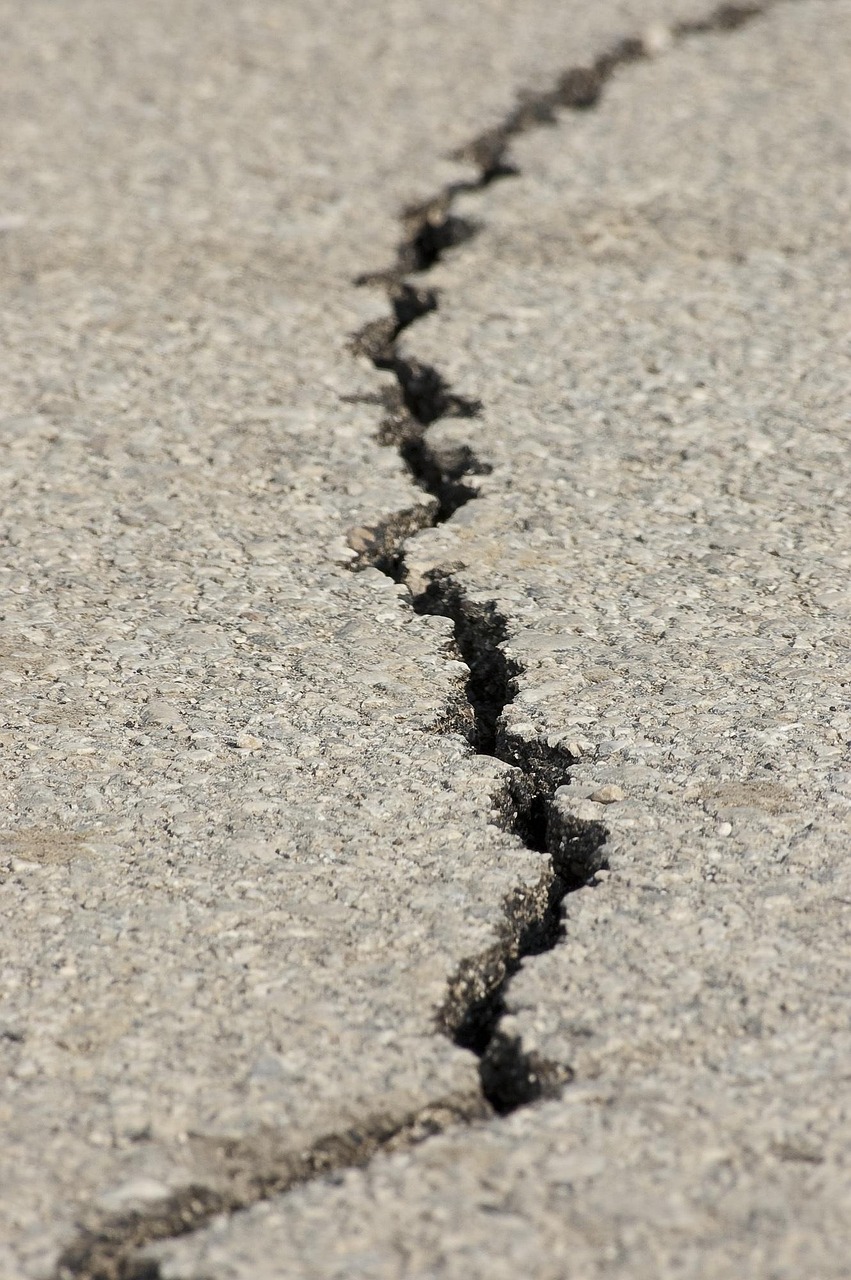
A strong earthquake measuring 7.6 in magnitude struck near Tonga in the South Pacific Ocean on March 24, 2026, prompting immediate attention from global monitoring agencies. According to the United States Geological Survey, the quake occurred early Tuesday evening local time and was recorded as a preliminary reading, meaning further updates could follow as more data becomes available.
The seismic event took place near the island nation of Tonga, a region known for its tectonic activity due to its position along the Pacific Ring of Fire. This area frequently experiences earthquakes, though the strength of this particular event has raised concerns about its potential impact.
Depth reduces surface intensity
One of the most significant factors influencing the quake’s impact is its depth. The earthquake struck at approximately 237 kilometers (148 miles) beneath the Earth’s surface.
Seismologists note that deeper earthquakes generally result in less intense shaking at ground level compared to shallower ones. While a magnitude 7.6 quake is considered powerful, the depth may help reduce the severity of damage and limit the intensity felt by residents in nearby areas.
However, deep earthquakes can still be widely felt across large distances, depending on geological conditions. Authorities typically continue monitoring such events closely to assess any delayed effects or aftershocks.
Location heightens seismic risk
The epicenter lies in a highly active seismic zone within the South Pacific. Tonga sits along a boundary where tectonic plates converge, making earthquakes a relatively common occurrence.
Despite this familiarity, stronger quakes like this one often trigger precautionary assessments, particularly in coastal regions where undersea earthquakes can sometimes lead to tsunami risks. As of now, there have been no immediate reports confirming widespread damage or casualties.
Local and international agencies are expected to continue evaluating the situation as more information becomes available from the region.
Monitoring continues for aftershocks
Following an earthquake of this magnitude, aftershocks are a common occurrence. These smaller tremors can continue for hours or even days after the initial event.
Experts emphasize the importance of monitoring seismic activity in the hours following a major quake, especially in tectonically active regions like Tonga. Emergency response teams typically remain on alert during this period to respond quickly if conditions change.
Residents in affected areas are often advised to remain cautious, particularly around structures that may have been weakened or in regions prone to landslides.
Global attention on seismic activity
Events like this highlight the ongoing importance of earthquake monitoring systems worldwide. Agencies such as the United States Geological Survey play a critical role in providing real-time data that helps governments and emergency responders assess risks and coordinate responses.
While early indications suggest the depth of the earthquake may have mitigated its immediate impact, the situation remains under observation as authorities gather more detailed information.
Source: Associated Press, via The Washington Post
About the Author