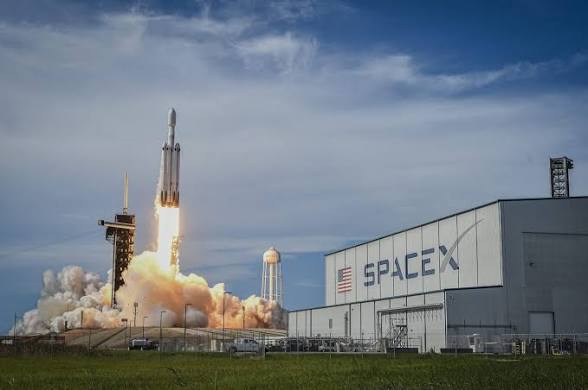
Photo by Andy Watkins on Unsplash

The Blue Origin rocket explosion on Thursday marked a serious setback for Jeff Bezos’s space company. The New Glenn rocket detonated on its launchpad at Cape Canaveral, Florida, during testing ahead of a scheduled satellite delivery mission. Moreover, Blue Origin confirmed the incident in a statement, describing it as an anomaly experienced during preparations for the launch. Furthermore, the explosion destroyed the vehicle before it ever left the ground.
The New Glenn is Blue Origin’s flagship reusable orbital rocket. Consequently, the loss of the vehicle during ground testing raises immediate questions about the company’s launch timeline and the condition of its launchpad infrastructure. Additionally, the satellites that were intended for low Earth orbit delivery must now await an alternative launch arrangement.
What happened during the pre-launch test
Blue Origin has not released detailed technical information about what triggered the explosion at this stage. The company used the word anomaly in its public statement, which is standard industry language for an unexpected incident during testing or launch operations. Moreover, that description leaves open whether the explosion originated in the propulsion system, fuel handling equipment, or another component of the vehicle.
The New Glenn is designed as a reusable heavy-lift rocket capable of delivering payloads to low Earth orbit and beyond. Furthermore, it represents one of Blue Origin’s most significant investments in competing with SpaceX’s Falcon 9 and other orbital launch vehicles. Consequently, a launchpad explosion carries both financial and competitive implications for the company at a critical moment in the commercial space industry.
The launchpad itself may require inspection and repair before any future launch can be attempted from that site. Additionally, Cape Canaveral authorities and the Federal Aviation Administration will likely conduct their own assessments before normal operations can resume. Therefore, the full scope of the disruption will not be clear for days or potentially weeks.
Blue Origin’s competitive position in 2026
The Blue Origin rocket explosion comes at a particularly sensitive time for the company. The commercial space industry is intensifying rapidly in 2026. SpaceX continues to dominate orbital launch frequency and reusability performance. Moreover, the upcoming SpaceX IPO on June 12 is expected to value that company at approximately $2 trillion, drawing enormous investor attention to the sector. Furthermore, Blue Origin has been working to establish itself as a credible alternative for satellite operators and government customers who want options beyond SpaceX.
The New Glenn completed its first successful orbital flight in early 2025 after years of development. That milestone gave Blue Origin momentum and signaled its readiness to compete for commercial launch contracts. Additionally, the rocket’s reusability design was central to the company’s cost competitiveness pitch. Consequently, losing a vehicle on the launchpad before a satellite mission strikes at the heart of the story Blue Origin has been telling customers and investors.
What this means for the satellite payload
The satellites that were manifested for the destroyed New Glenn mission face an uncertain path forward. Satellite operators who book commercial launch services typically have backup options or can negotiate alternative arrangements with other launch providers. Moreover, the specific operators whose payload was aboard have not been publicly identified at this stage. Furthermore, insurance coverage for satellite payloads lost in pre-launch or launch incidents is standard practice in the industry.
The financial cost of the New Glenn vehicle itself is significant. Blue Origin has not disclosed the per-unit cost of the rocket publicly. However, comparable heavy-lift orbital vehicles typically represent hundreds of millions of dollars in hardware value. Additionally, the cost of launchpad repairs and the investigation process will add to the total impact. Consequently, the explosion represents a meaningful financial setback in addition to the operational and reputational dimensions of the incident.
Blue Origin has a history of pressing forward after setbacks. The company experienced multiple New Shepard failures and grounding periods during its suborbital program and maintained its development trajectory. Moreover, the lessons learned from previous incidents shaped the safety and testing culture that now governs New Glenn operations.
Source: The Washington Post / Faiz Siddiqui
About the Author