

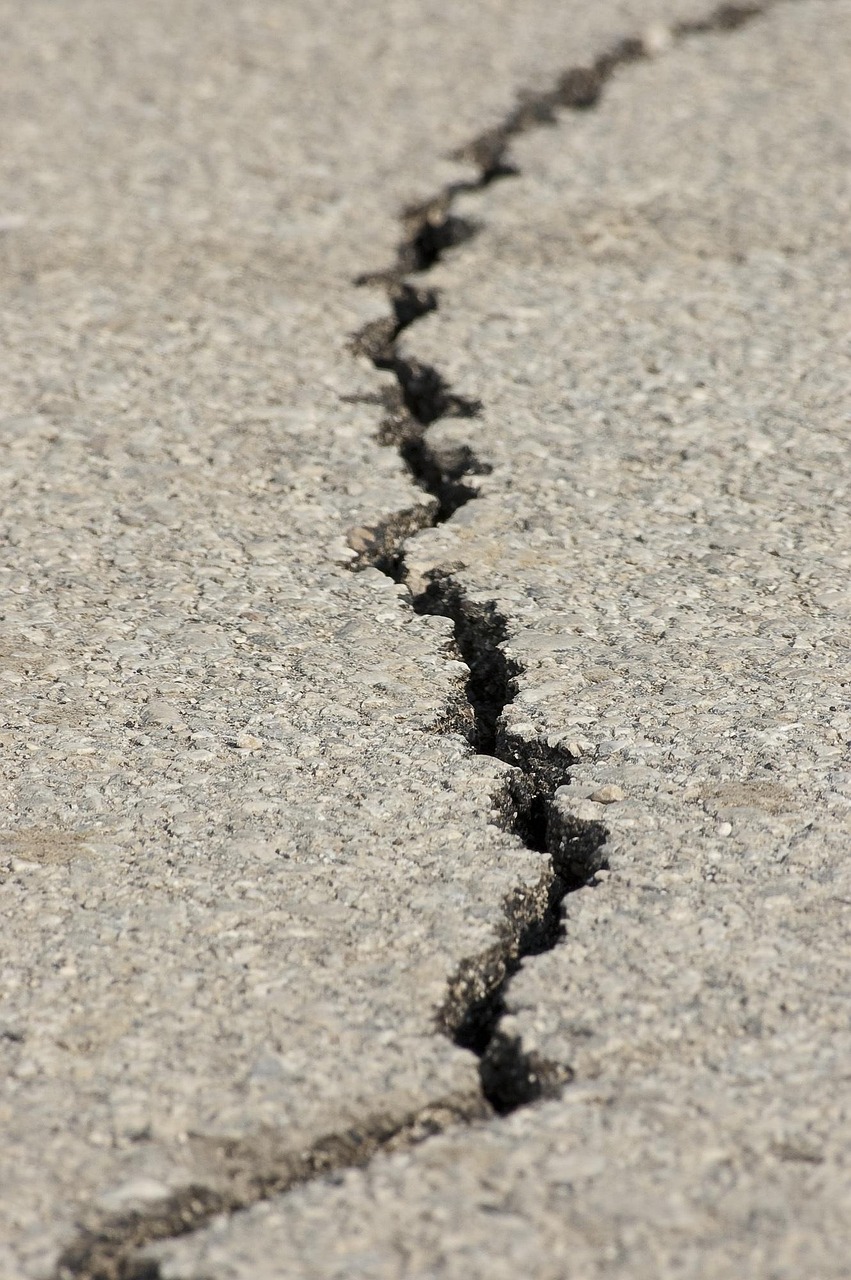
Courtesy:angelo_giordano from pixabay
A 5.7 and a 5.1 struck near the Mendocino Triple Junction with no tsunami threat or major damage
Two moderate earthquakes struck off Northern California’s coast early Thursday, June 4. The quakes rattled residents from Del Norte County to Humboldt County and triggered ShakeAlert notifications across the region. No tsunami warning was issued. No significant damage was reported.
How the earthquakes unfolded
The first quake, a magnitude 5.7, struck just before 4 AM near the California-Oregon border. It hit roughly 104 miles west-northwest of Crescent City. Light shaking was felt from Scotia in the south to Reedsport in the north.
About two hours later, a magnitude 5.1 hit 40 miles west of Petrolia. ShakeAlert messages went out to the Eureka area before 6 AM. Then, within 30 minutes, a magnitude 4.5 aftershock struck nearby. A magnitude 3.8 followed around 8:50 AM. Felt reports for the 5.1 came in from Westport all the way up to Blue Lake.
No tsunami threat after the earthquakes
The U.S. Tsunami Warning Center confirmed no warning, advisory or watch was issued after any of the quakes. USGS impact data also showed a low chance of significant damage from any of the events.
What experts say about these earthquakes
The quakes struck near the Mendocino Triple Junction, where three tectonic plates meet off Northern California. Geologists noted the 5.7 and the 5.1 were not directly related. The 5.7 matched the same strike-slip type seen in the 2010 Eureka and 2022 Ferndale events. Those quakes have reached magnitude 7 in the past but usually occur far enough offshore to avoid damage.
The 5.1 near Petrolia fits the pattern of ongoing activity tied to regional fault systems. Some geologists connect it loosely to a December 2024 magnitude 7 quake in the same general zone. Even so, experts see no sign that either quake points to something larger coming. The area has many active faults, though, and bigger earthquakes are always possible at any time.
Can earthquakes be predicted?
No. The USGS and the broader scientific community have not predicted a major earthquake. That is not expected to change soon. More quakes appear in data today because detection technology has improved, not because the overall rate has gone up. On average, the Earth sees about 16 magnitude 7.0 or greater earthquakes per year. In 2024, there were 10, with the largest being a 7.5 in Japan.
What residents should take from this
Thursday’s activity is a reminder that Northern California sits in one of the most active seismic zones in the country. Geologists suggest using events like these to check emergency supplies and go over what to do when shaking starts.
SOURCE: USA TODAY
About the Author






1 thought on “Back-to-Back Earthquakes Shake Northern California Coast”